Let’s be completely honest. When you look around a small living room, it is so easy to feel overwhelmed. The walls feel a little too close, the clutter builds up too fast, and that deep, expansive breath you want to take at the end of a long day gets caught in your chest.
We have been taught that “bigger is better.” But as we move into 2026, the design world is experiencing a beautiful, emotional shift. We are realizing that massive, cavernous rooms can feel isolating. Compact spaces? They have the unique power to hold us. They can be intimate, safe, and deeply personal.
Designing a compact living room isn’t about compromising; it’s about curating. It is about choosing elements that save your time, ease your mind, and make your space work twice as hard for your comfort.
Here are the top 27 secret trends for 2026 to turn your small living room into the ultimate sanctuary.
Phase 1: The Illusion of Breath (Visual Space)
When physical square footage is tight, we must create visual square footage. These ideas give your mind room to breathe.
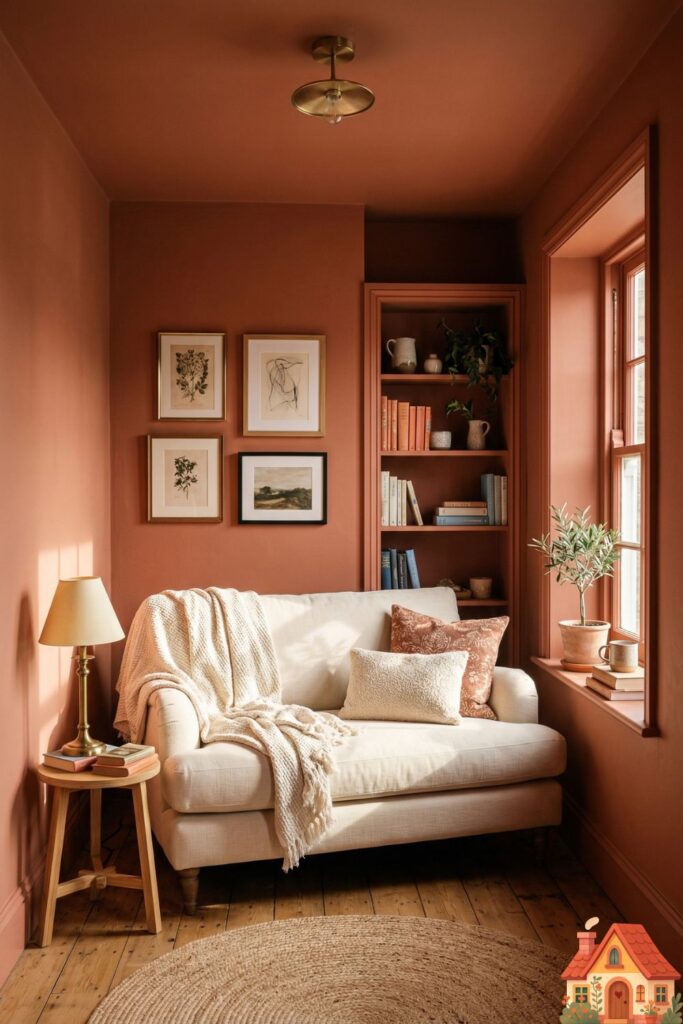
1. The Magic of “Color Drenching”
In a small room, contrasting trim and ceilings chop the space up, making it feel boxed in. The 2026 secret is “color drenching”—painting the walls, baseboards, and ceiling the exact same warm, soothing tone. The boundaries of the room melt away, creating a seamless, womb-like cocoon.
2. “Invisible” Furniture (Lucite and Glass)
When you need a surface but don’t want to block the visual flow, use materials that the eye passes right through. A high-quality, thick lucite coffee table provides absolute function without adding a heavy footprint to the room.
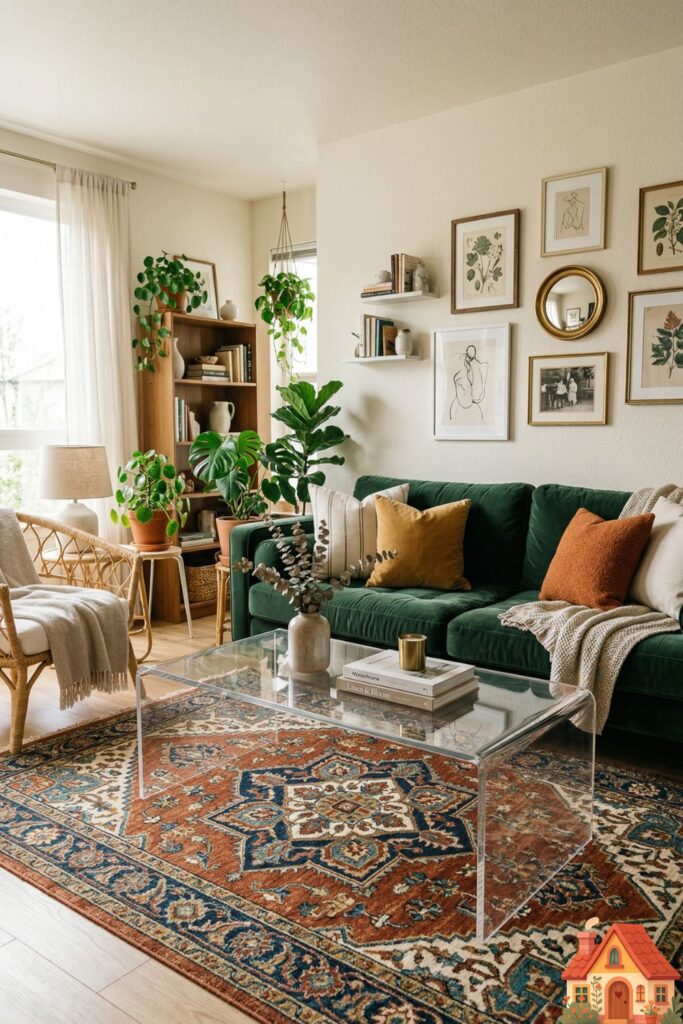
(Pinterest/AI Image Prompt: A chic, small living room featuring a completely transparent, thick lucite waterfall coffee table in front of a deep green velvet sofa. The beautiful patterned rug beneath the table is fully visible, making the room feel open and airy.)
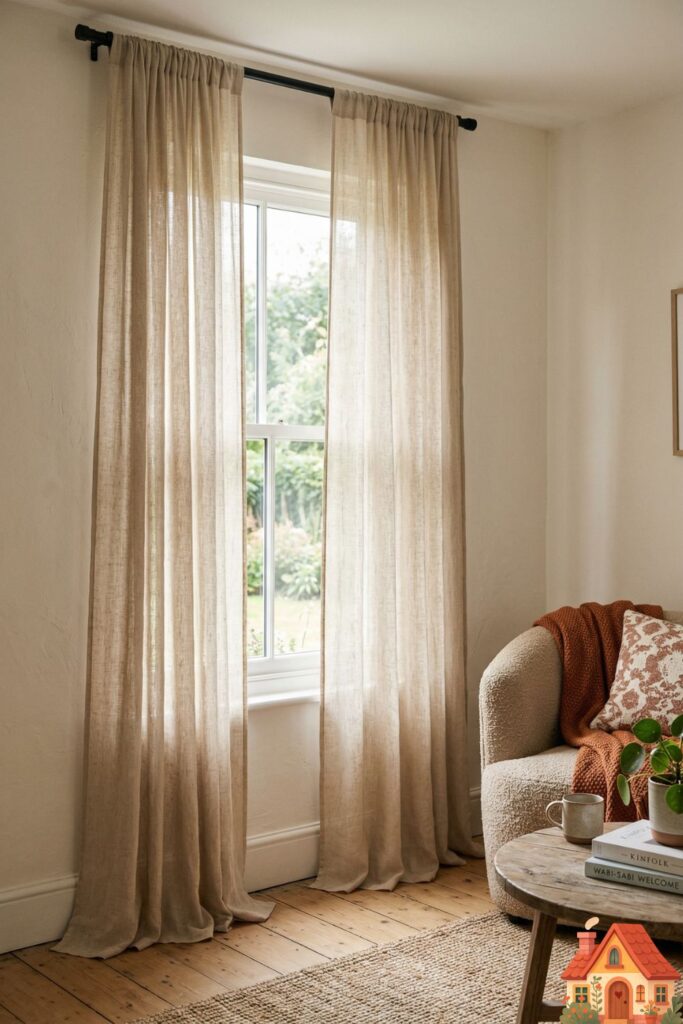
3. The Floor-to-Ceiling Drapery Trick
Do not hang your curtains right above the window. Hang them at the very top of the ceiling and let them kiss the floor. This forces the eye upward, instantly making low ceilings feel grand and luxurious.
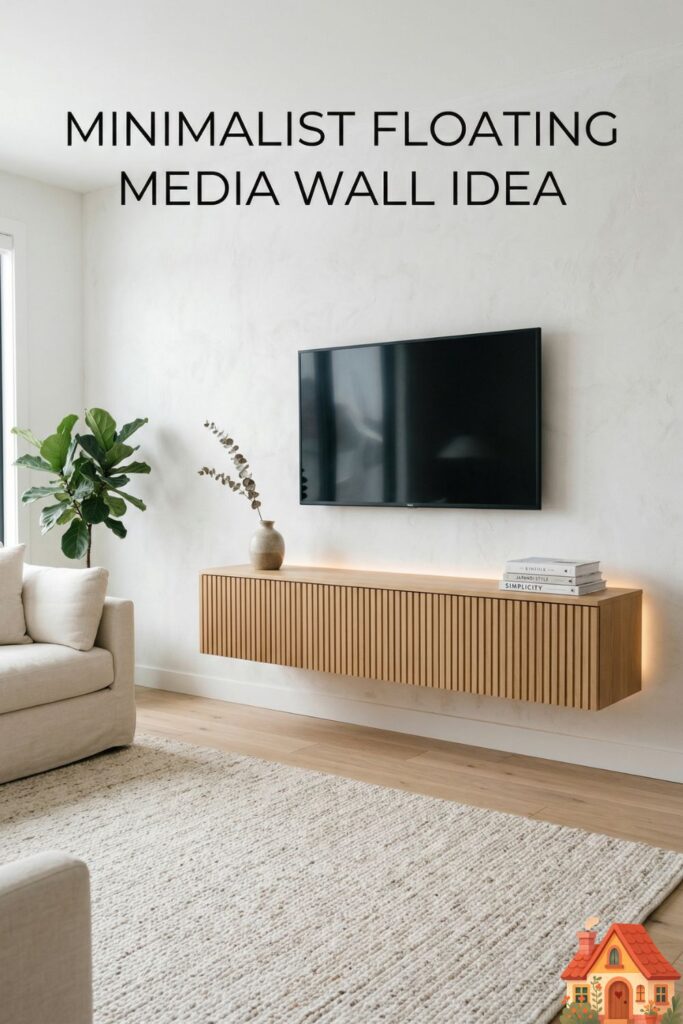
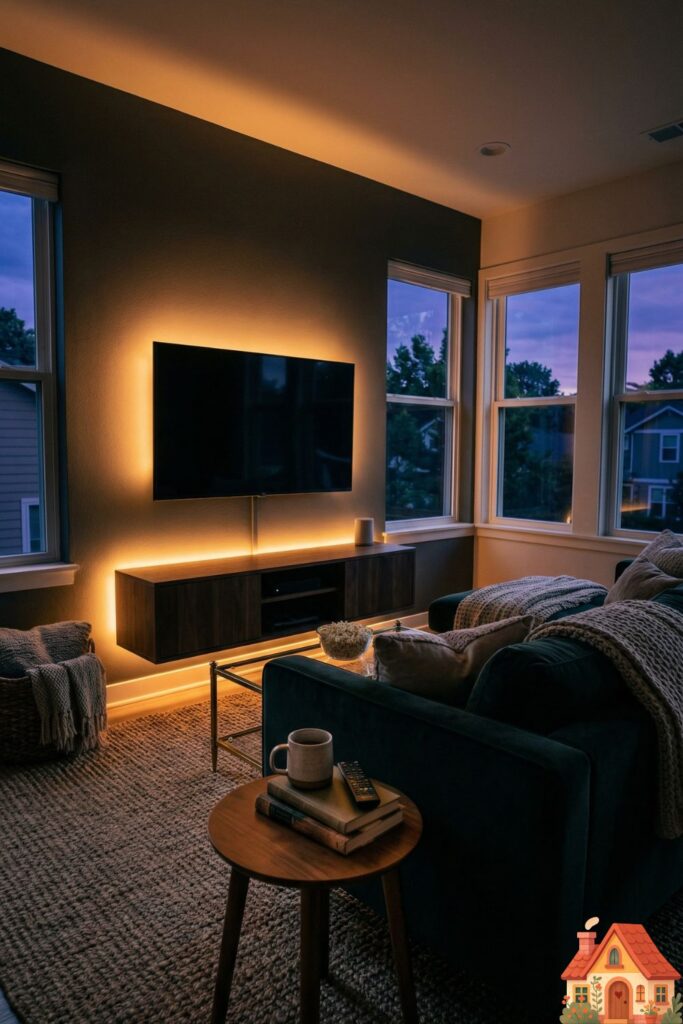
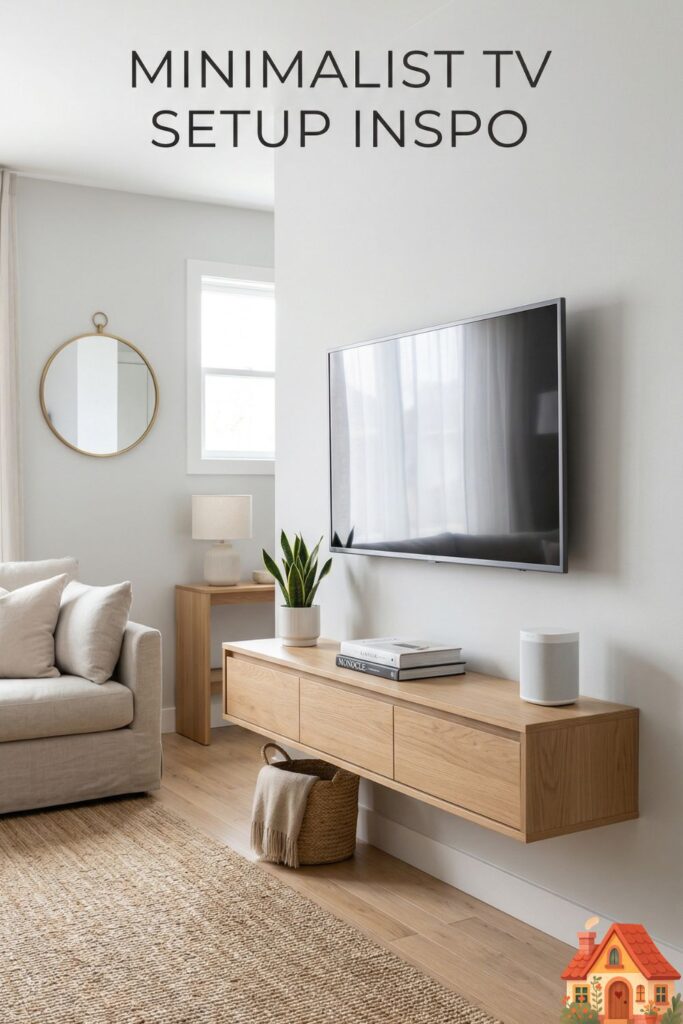
4. Floating Media Consoles
When you can see the floor stretching to the wall, your brain registers the room as larger. Wall-mounted, floating TV consoles remove the bulky legs of traditional stands, giving your room its floor space back.
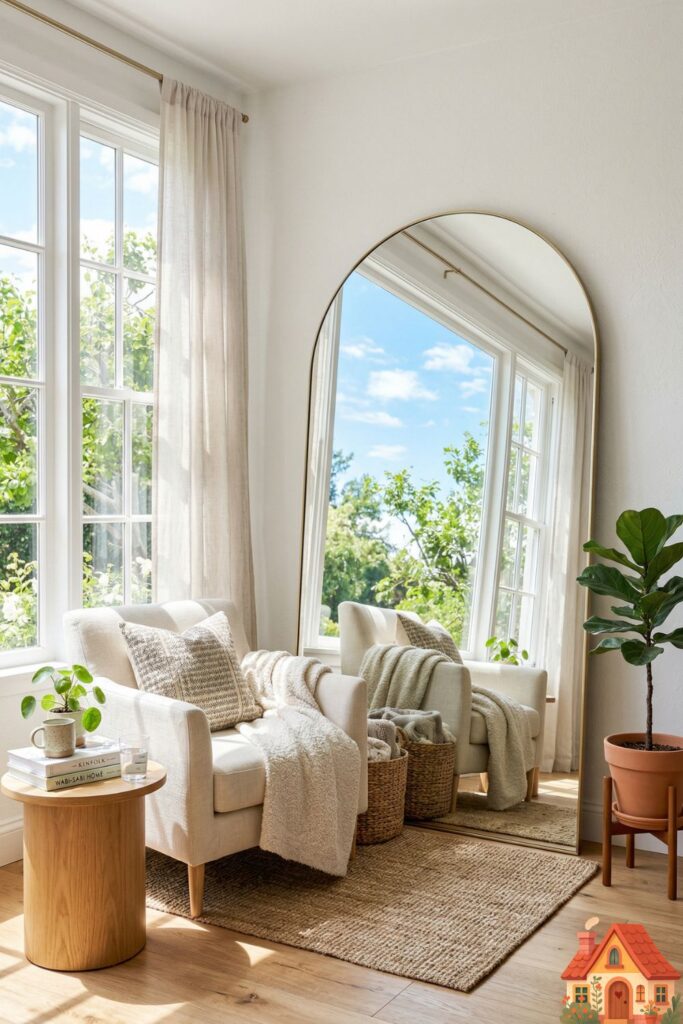
5. Strategic Window Mirroring
We all know mirrors make rooms look bigger, but the 2026 trend is specific: place a large, arched mirror directly opposite your biggest window. It acts as a second window, doubling your natural light and pulling the outdoors in.
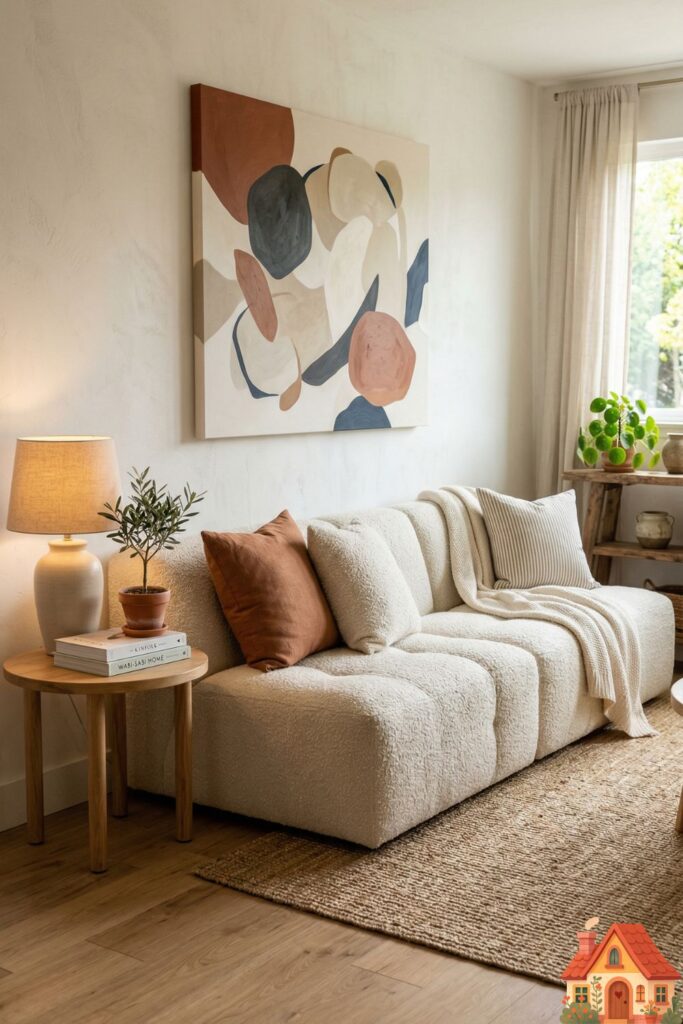
6. Low-Profile Seating (Grounding the Room)
High-backed sofas divide a small room in half. Choosing low-profile, deep-seated furniture leaves the upper half of your room completely open, making the ceiling feel infinitely higher.
Phase 2: Multi-Functional Magic (Working Smarter)
Your furniture needs to care for you by doing more than one job, eliminating the need for excess clutter.
7. The Storage Ottoman Revolution
Coffee tables are great, but in a small space, an oversized, soft ottoman with hidden storage is a lifesaver. You can rest your feet on it, put a tray on it for drinks, and hide all your extra blankets and remotes inside
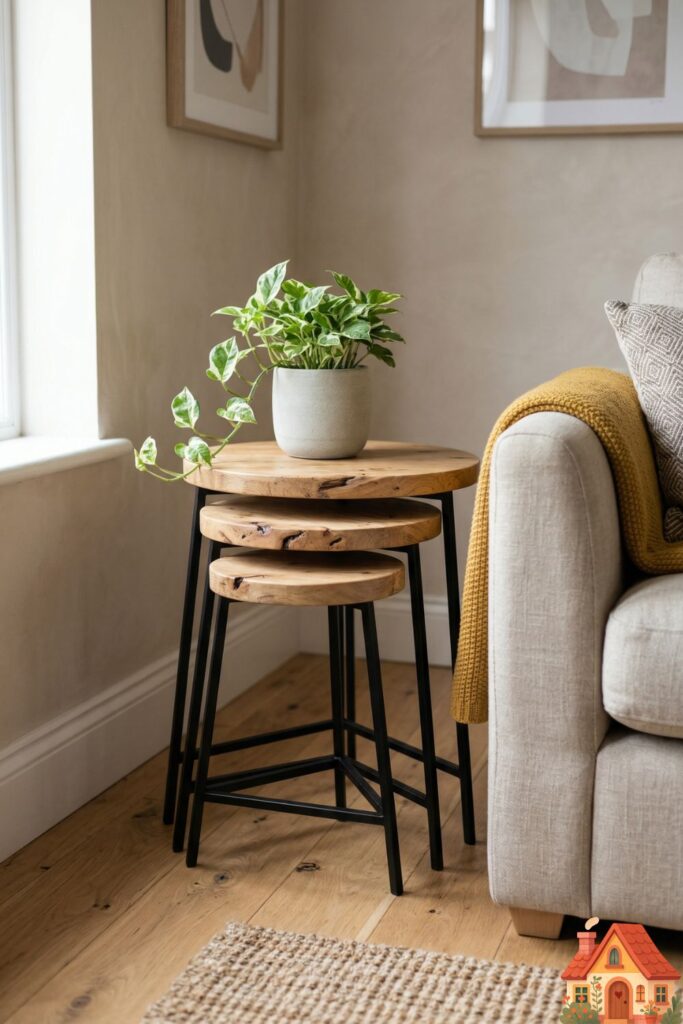
8. Nesting Side Tables
When friends come over, you need surface area. When they leave, you need your floor space back. Three beautiful nesting tables tucked perfectly into one corner give you absolute flexibility.
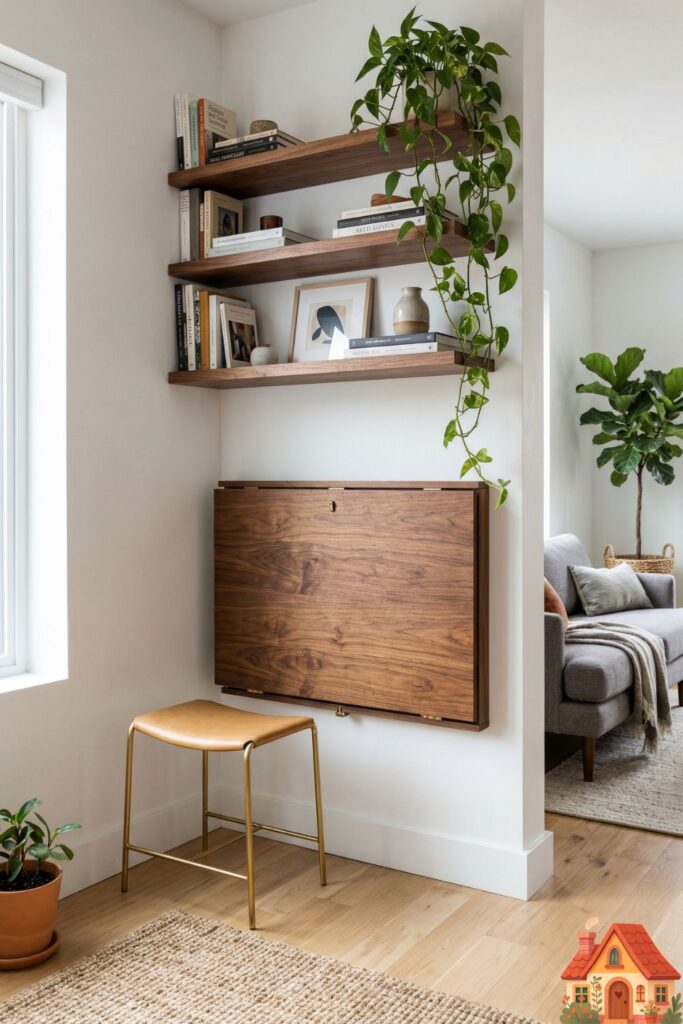
9. Wall-Mounted Drop-Leaf Desks
If your living room must also be your office, do not squeeze a traditional desk in. Install a beautiful, wooden drop-leaf desk that folds flat against the wall the second you log off, giving you your sanctuary back.
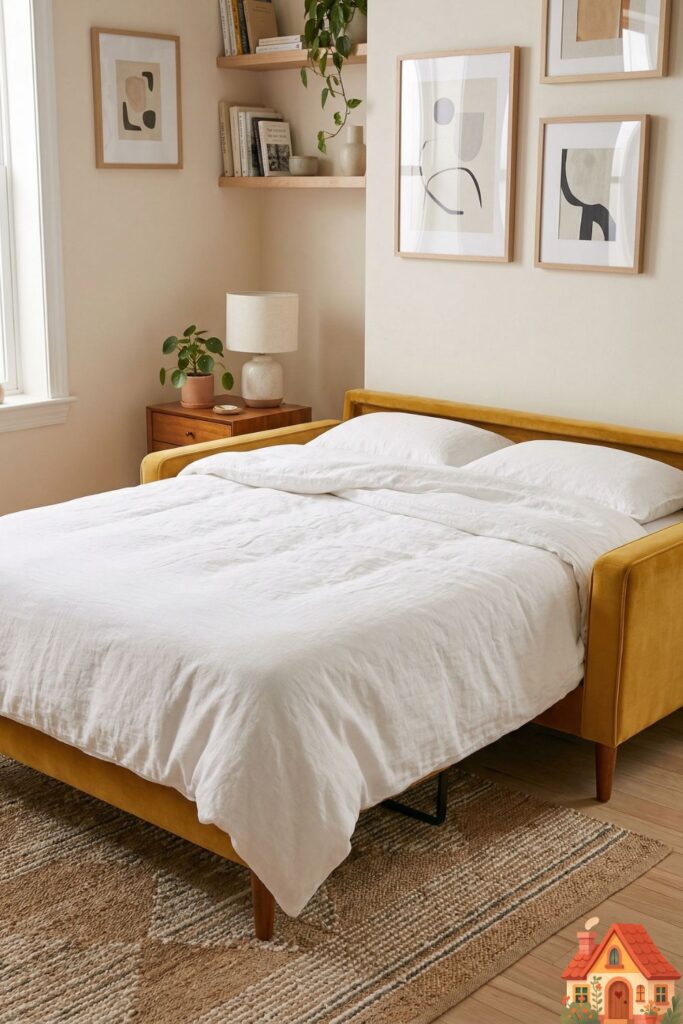
10. The Disguised Sofa Bed
Sofa beds used to be bulky and uncomfortable. The 2026 trend brings us impossibly sleek, modern sofas that seamlessly fold out. You can host loved ones without permanently sacrificing your living space.
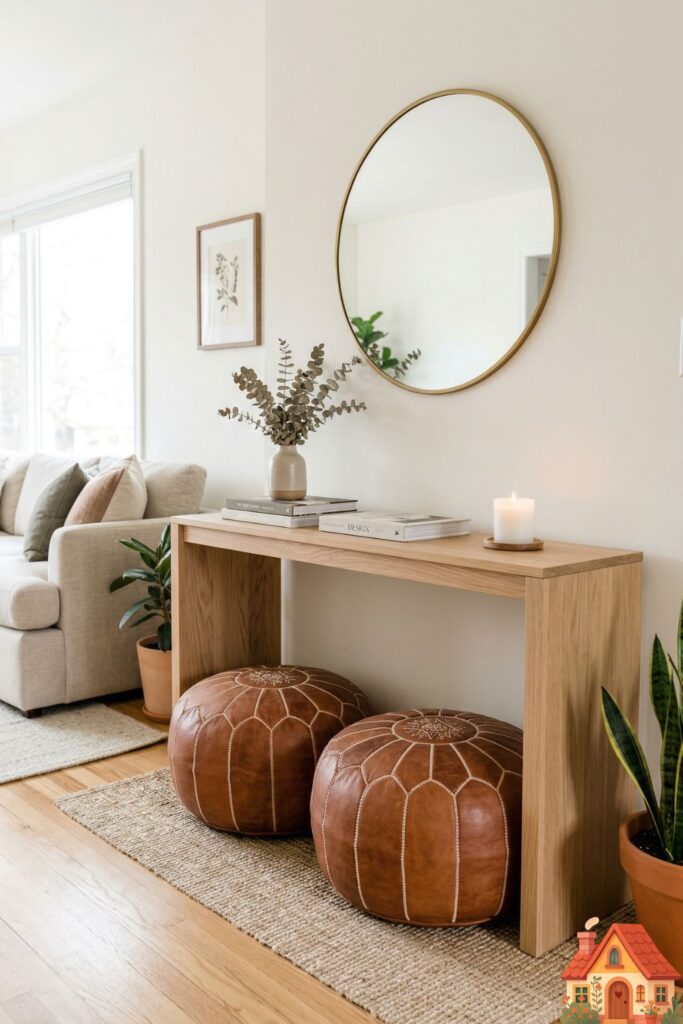
11. Poufs Tucked Under Tables
Need extra seating that doesn’t take up space? Buy two beautiful, textured Moroccan poufs and store them perfectly underneath an open-bottom console table until you need them.
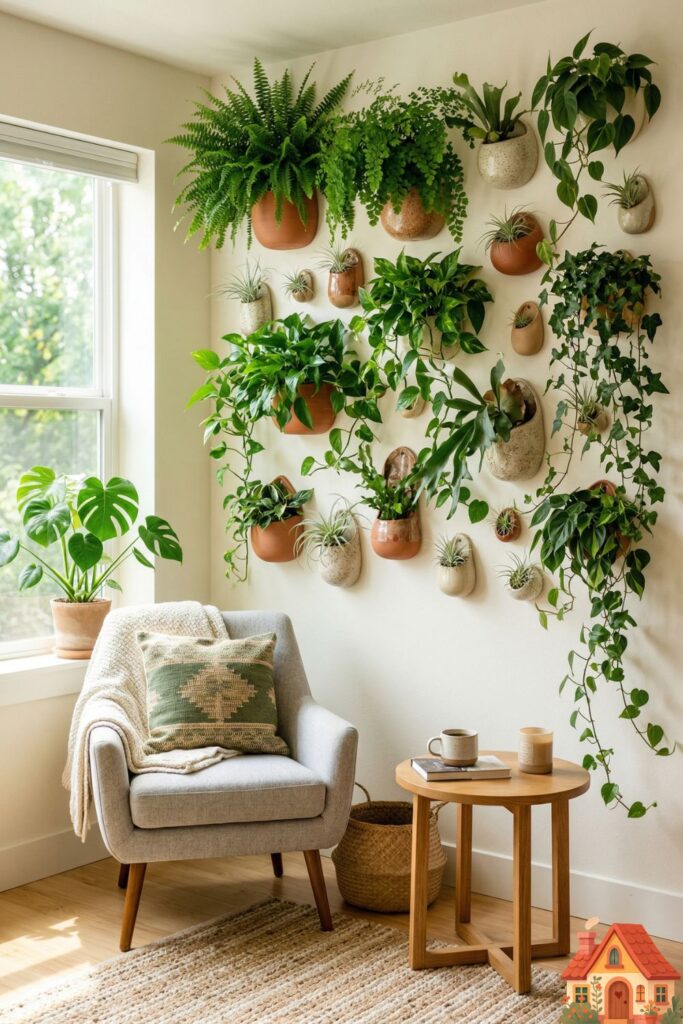
12. Vertical Greenery (Living Walls)
We need the calming emotional effect of nature, but potted plants eat up floor space. Move your plants to the walls with vertical planters or hanging macrame to keep the ground perfectly clear.
Phase 3: The Comfort Anchors (Furniture That Hugs You)
Compact doesn’t mean uncomfortable. These elements are designed to make you feel deeply cared for.
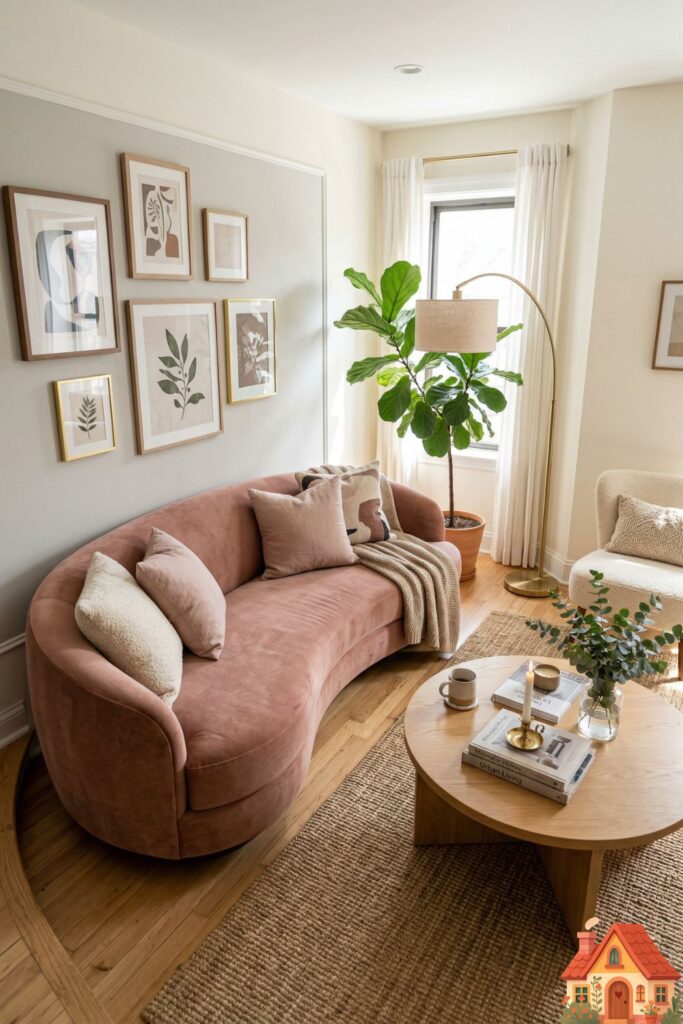
13. The Kidney-Shaped Sofa (Fluidity)
Sharp angles in a small room create traffic jams and bruised knees. A softly curved, kidney-shaped sofa guides you naturally through the room, making movement feel fluid and graceful.
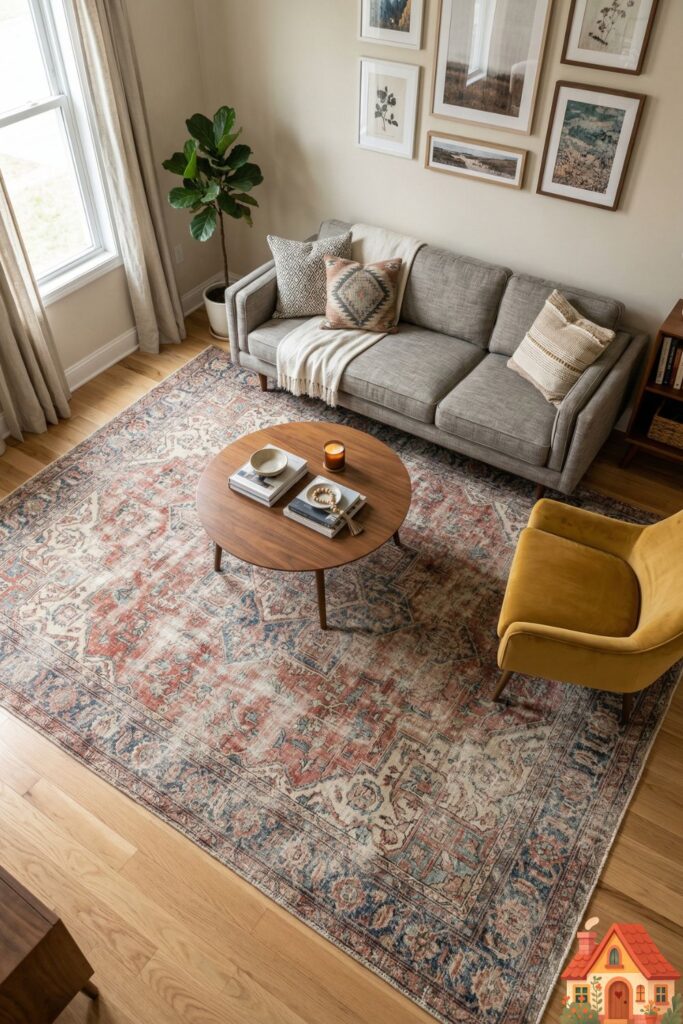
14. The Oversized Anchor Rug
The biggest mistake in small rooms is using a small rug—it makes the room look like a dollhouse. Buy a rug large enough that all your furniture sits fully on top of it. It visually anchors the space and makes it feel expansive.
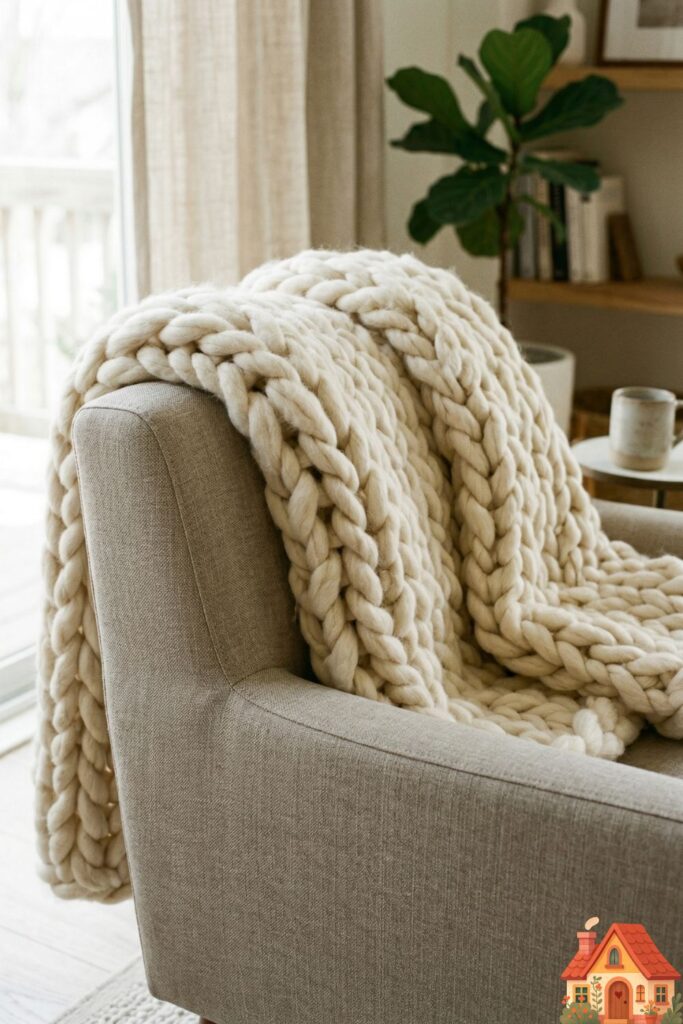
15. Tactile, Oversized Throws
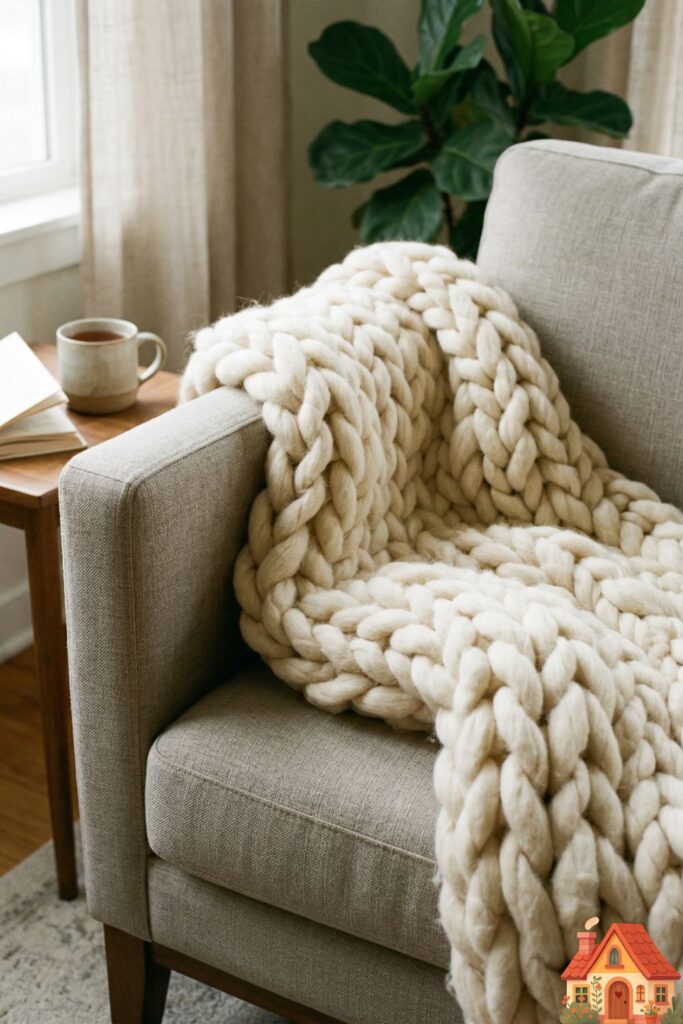
If your space is small, the textures must be incredibly rich. A massive, chunky knit blanket draped over a chair gives the eye something soft to land on and offers instant physical comfort when you feel stressed.
16. The “Snuggler” Corner Chair
You don’t have room for two massive armchairs. Instead, invest in one high-quality “snuggler” chair—an oversized armchair-and-a-half that allows you to curl your legs up completely and feel entirely secure.
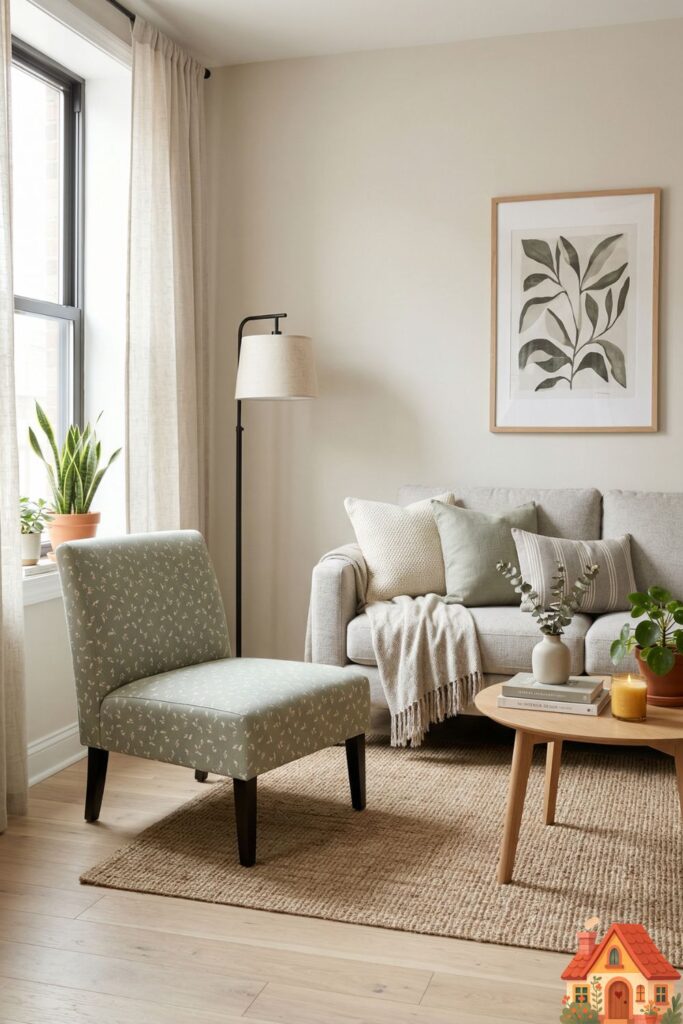
17. Armless Accent Chairs
Arms on chairs create visual blockades. By using armless slipper chairs as your secondary seating, the room remains visually open and welcoming.
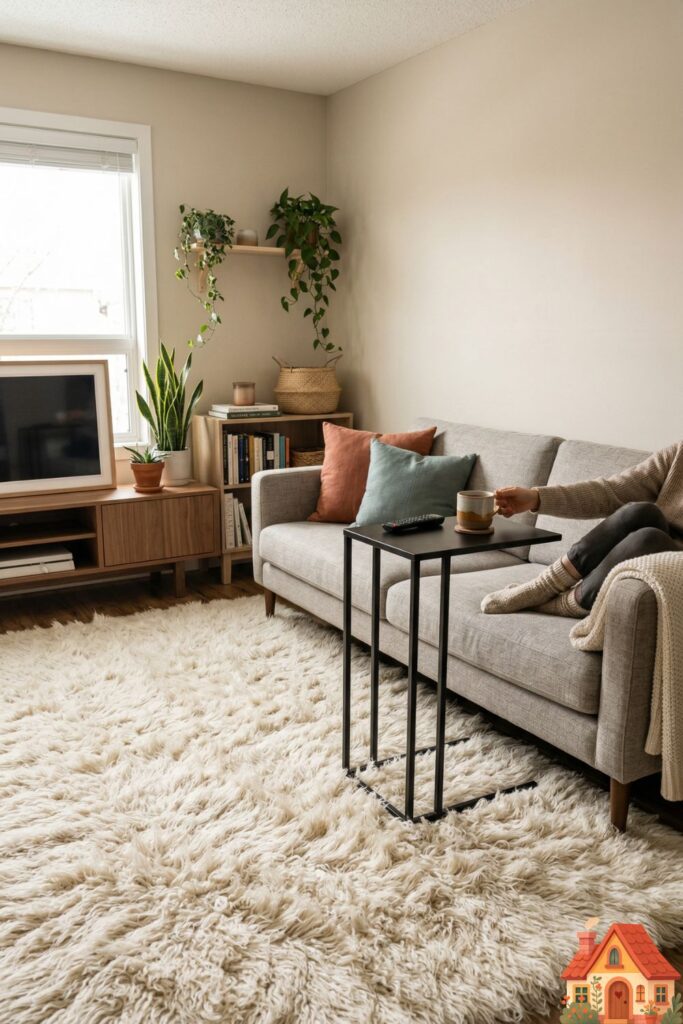
18. The “No Coffee Table” Layout
Who says you must have a coffee table? If it makes you feel trapped, remove it completely. Use a plush rug and small, movable side tables instead. Give yourself the freedom to stretch your legs.
Phase 4: Lighting & Mood (The Invisible Decor)
Lighting completely dictates how your nervous system responds to a room.
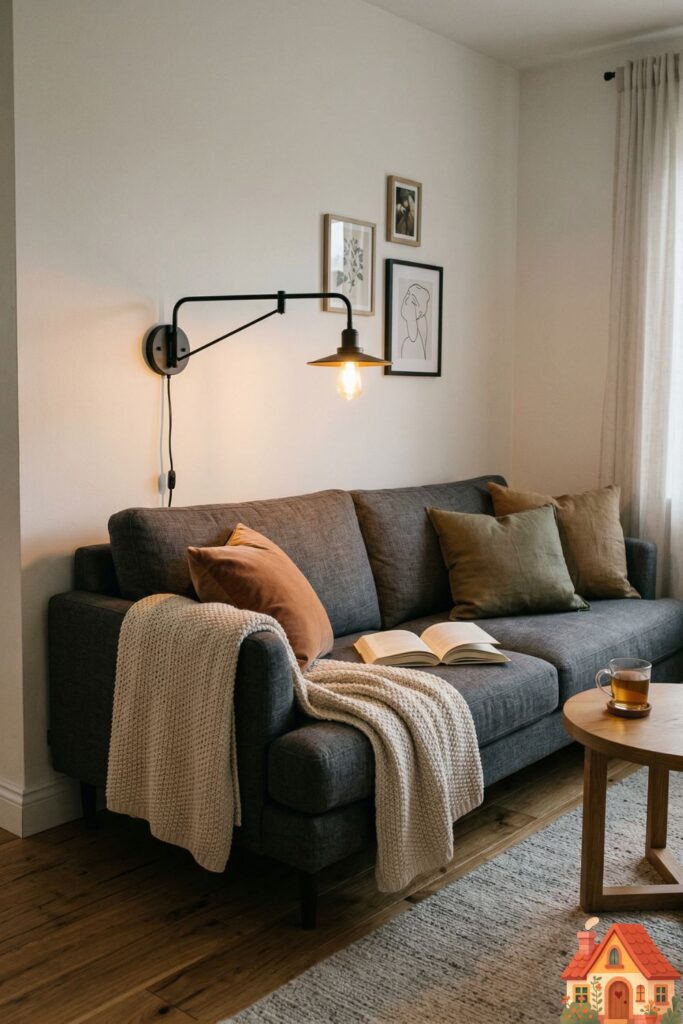
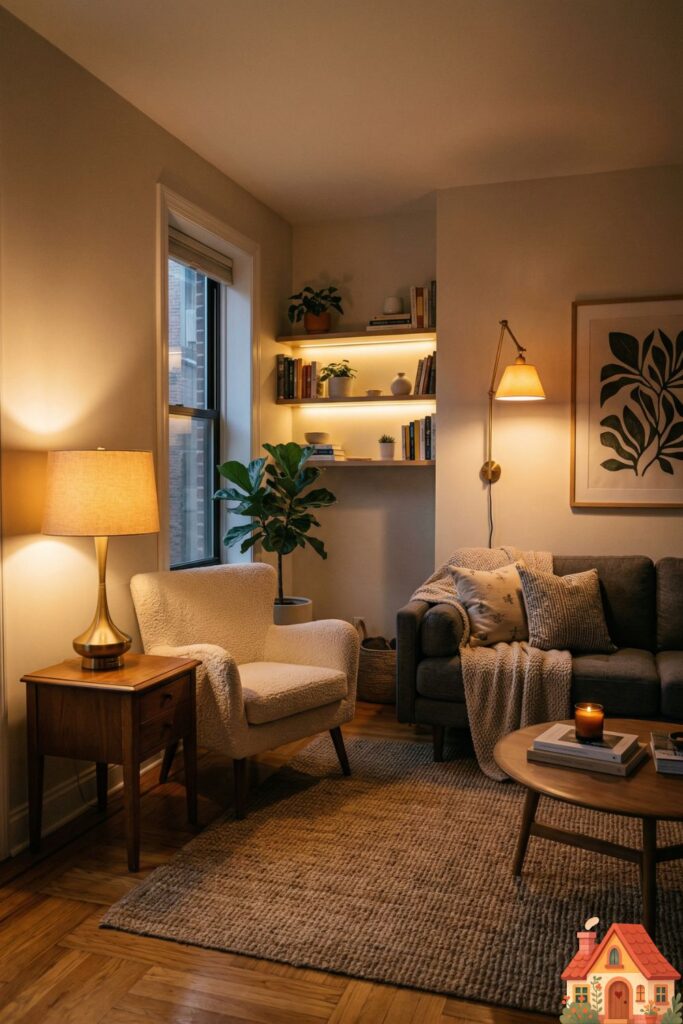
19. Wall Sconces Instead of Floor Lamps
Floor lamps take up a precious square foot of corner space. Hardwire or use plug-in wall sconces to provide beautiful, eye-level reading light without stealing a single inch of your floor.
20. Hidden Amber Backlighting
Bright overhead lighting in a small room feels like an interrogation. Hide warm, amber LED strips behind your TV or under floating shelves to create a soft, glowing, deeply relaxing atmosphere.
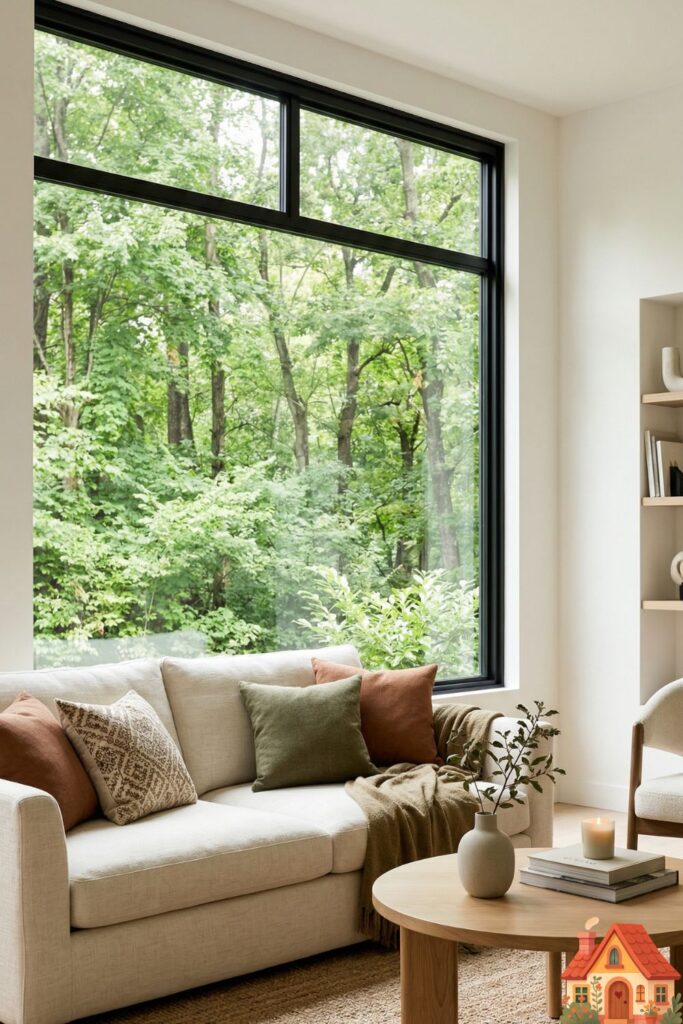
21. Bare, Breathable Windows
If privacy isn’t an issue, the 2026 trend is to leave windows completely bare. Removing heavy drapes erases the visual barrier between inside and outside, instantly expanding your horizons.
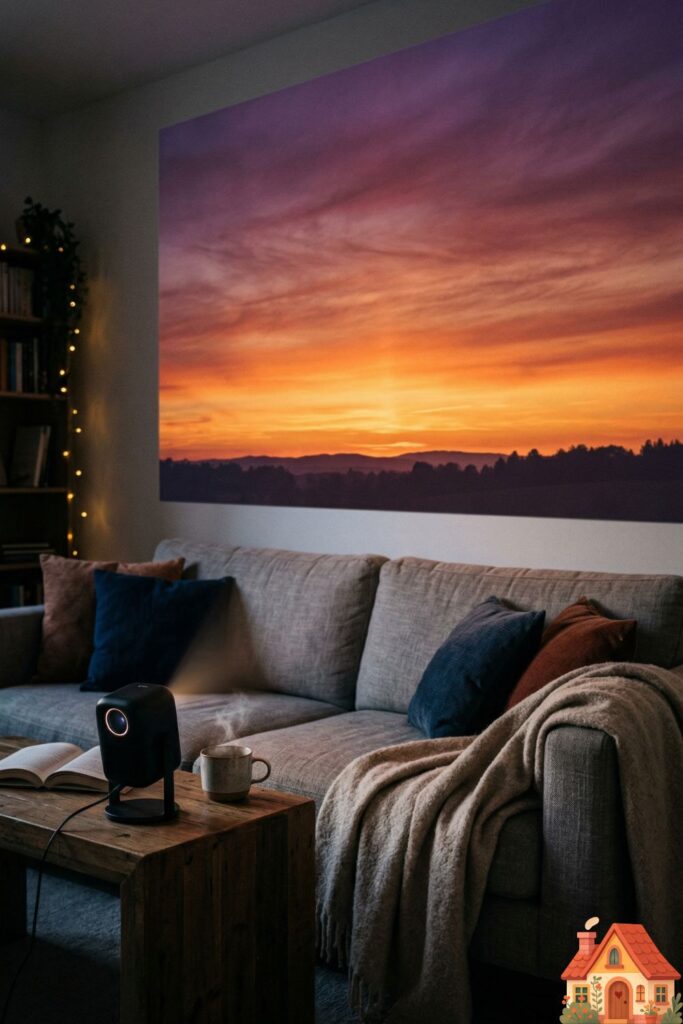
22. The “Sunset” Projection Light
Bring a sense of awe into a tiny space. A sunset projection lamp cast against a blank wall creates the illusion of a distant, beautiful horizon, instantly calming the mind.
23. Layered Lighting (The Triangle Rule)
Never light a small room from just the top. Place three soft light sources at waist-level around the room (a sconce, a table lamp, a shelf light) to create a warm “triangle” of light that makes the space feel layered and deeply intimate.
Phase 5: Curated Personality (Making It Yours)
Your living room should tell the story of your heart, not your clutter.
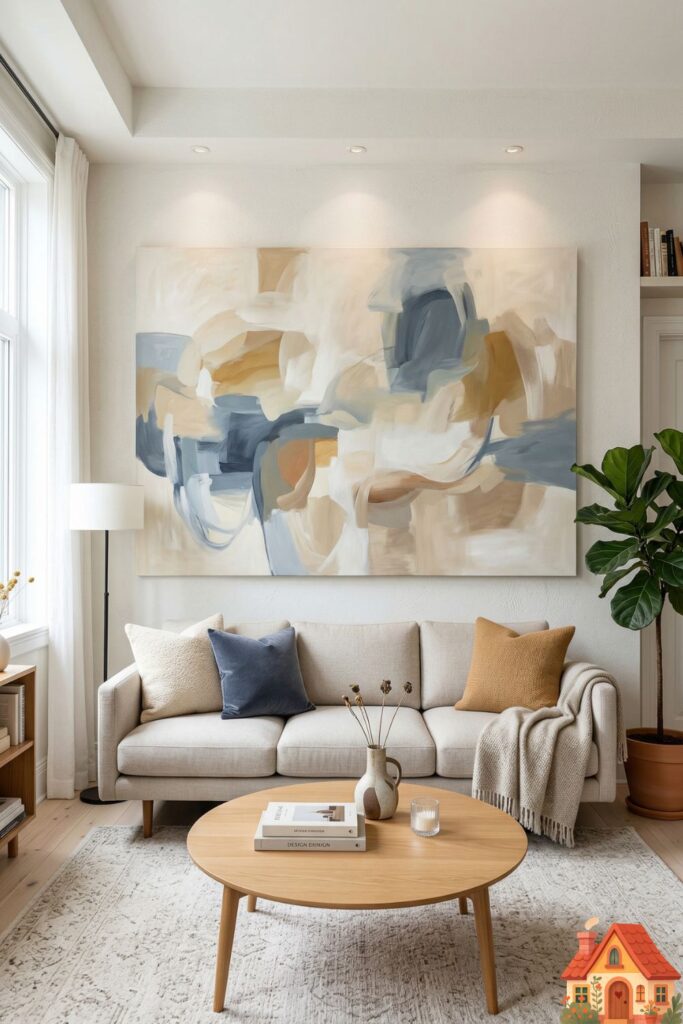
24. One Massive Piece of Art
A gallery wall in a tiny room can look like clutter and cause visual anxiety. The 2026 secret is hanging one oversized, meaningful piece of canvas art. It acts like a window to another world and brings a sense of grand scale.
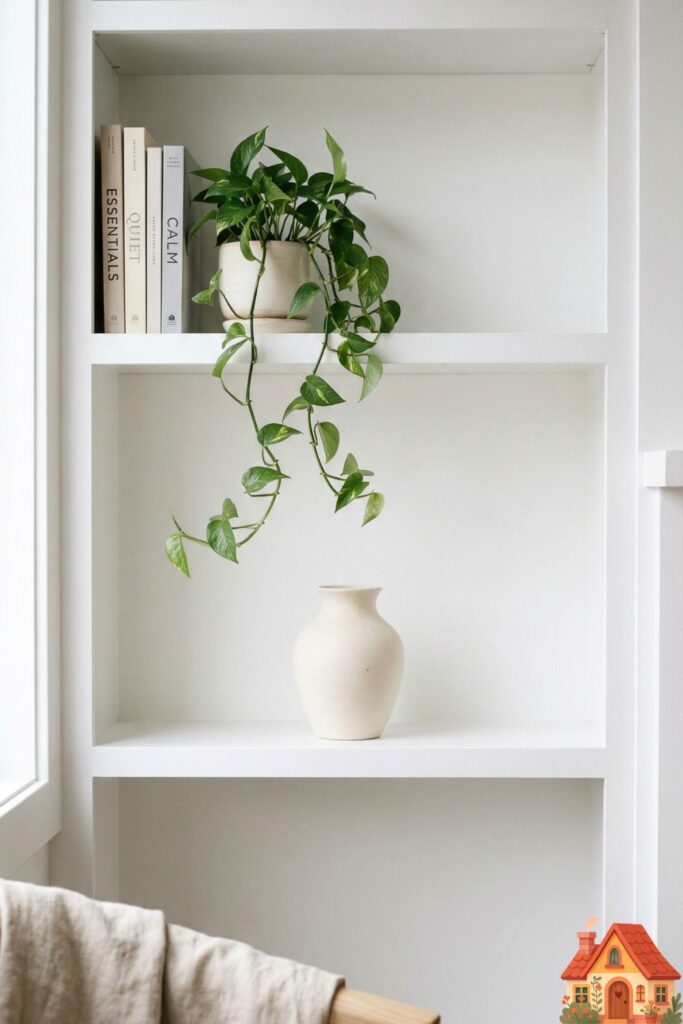
25. The “Editing” Rule for Shelves
Empty space is a luxury. If you have shelves, do not fill every inch. Leave 30% of the shelf completely blank. This visual silence is incredibly soothing to a tired mind.
26. Hidden Cable Management (Visual Silence)
Tangled cords scream “chaos.” Invest the time to run cords through the walls or use sleek, paintable cord covers. Erasing this visual noise brings an immediate, subconscious sense of peace.
27. The Empty Corner (Permission to Pause)
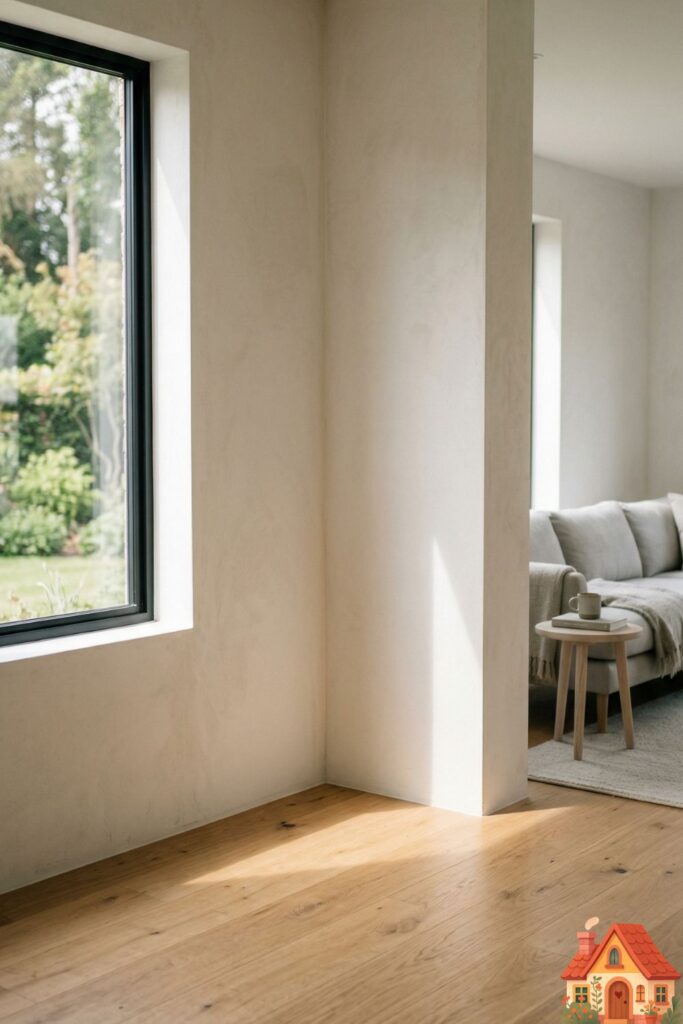
This is the most important trend of all. In a compact space, the temptation is to fill every single corner with a plant, a chair, or a basket. Don’t. Intentionally leave one corner completely bare. It is a physical reminder that you don’t always have to be productive. You have permission to just be.